Tui Na
Chinese therapeutic bodywork
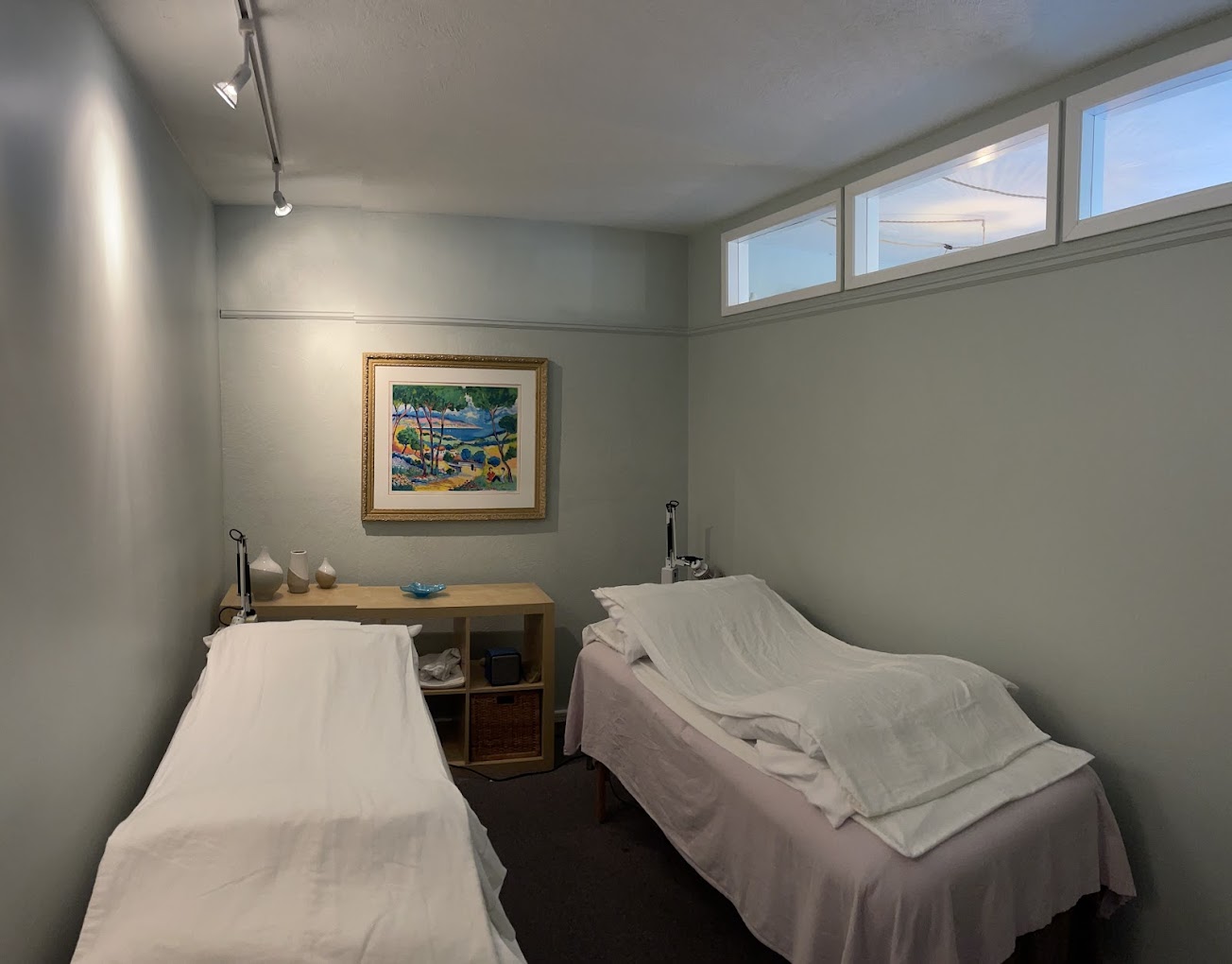
Tui na (pronounced "twee nah," and meaning roughly "push and grasp") is Chinese therapeutic bodywork: hands-on treatment that works the body's channels and muscles directly. It's one of the oldest forms of manual therapy in the world, and in many ways the most intuitive thing we do. When something aches, the first instinct is to put your hands on it. Tui na is that instinct, refined over millennia. It is one of the five classical branches of traditional Chinese medicine, standing alongside acupuncture, herbal medicine, qi gong, and dietary therapy. References to therapeutic manipulation go back more than two thousand years, and for most of that history it was a core part of a doctor's training, not a separate trade.
Tui na is a system of pressing, kneading, rolling, and stretching, applied along the same meridians and points an acupuncturist would use. It can feel like a deep, purposeful massage, yet where a spa massage aims mainly to relax, tui na is aiming at something specific: a stuck shoulder, a tight band of muscle, a joint that won't move freely. Every technique has an intention behind it.
In the roomWhat it actually feels like
It begins with your practitioner finding the area, pressing gently, asking, reading the tissue under their hands. From there the work builds: slow, rhythmic pressure that warms a tight muscle, a rolling motion that coaxes a stiff joint, a focused press that holds on a tender point until it softens. Some of it is firm enough to feel like real work; none of it should ever cross into pain you can't breathe through.
Most people describe the feeling afterward as loosened: lighter in the shoulders, easier in the neck, as though something that had been braced for a long time finally let go. Your practitioner checks in the whole way through, adjusting pressure to what your body is telling them.
You stay fully clothed throughout (loose, comfortable layers are ideal). That makes it easy to fold into a regular acupuncture visit, or to receive on its own when needles aren't what the day calls for.
Where it helpsWhat people come in for
Tui na tends to be reached for when the trouble is physical and mechanical: something tight, stuck, or sore that wants to move and can't. In practice, that often looks like:
- Neck, shoulder, and back tension, especially the desk-bound kind.
- Stiff or restricted joints that feel like they need "working loose."
- Muscle strains and the knotted, guarded areas around an old injury.
- Tension headaches that sit in the neck and base of the skull.
Across the practiceWhere you’ll find it
Tui na works its way into most corners of the clinic. You’ll find it in our care for pain, sports recovery, stress & sleep, and women’s wellness.
Being straight with youWhat we know, and what we don't
At One Kinetic, we think you deserve an honest picture. Manual therapies like tui na have a growing body of modern research behind them, particularly for musculoskeletal pain and stiffness; some of it genuinely encouraging, some of it small or early. It is not a cure-all, and any practitioner who promises otherwise should give you pause. What we can say plainly is this: it's a low-risk, time-tested therapy that many people find real relief from, used as one thoughtful part of a wider plan of care rather than a miracle on its own.
"How is this different from a regular massage?"
Tui na can be considered a type of massage, with well-known derivatives such as Shiatsu. What sets it apart is that it belongs to traditional Chinese medicine: a targeted, purpose-driven bodywork that treats specific points and patterns toward a result, rather than general relaxation.
![[Practitioner name]](https://one-kinetic.com/wp-content/uploads/sites/13/2026/06/barbara.jpg)
"Tui na is one of the oldest forms of bodywork in the world, and it's still one of the best. It blends beautifully with acupuncture, and honestly, it's just a joy to practice."
Still curious? Start with a conversation.
A first visit always begins with time to talk, so bring every question you have, and we'll figure out together whether this is a fit. New patients always welcome.