Moxibustion
An old, gentle therapy of warmth
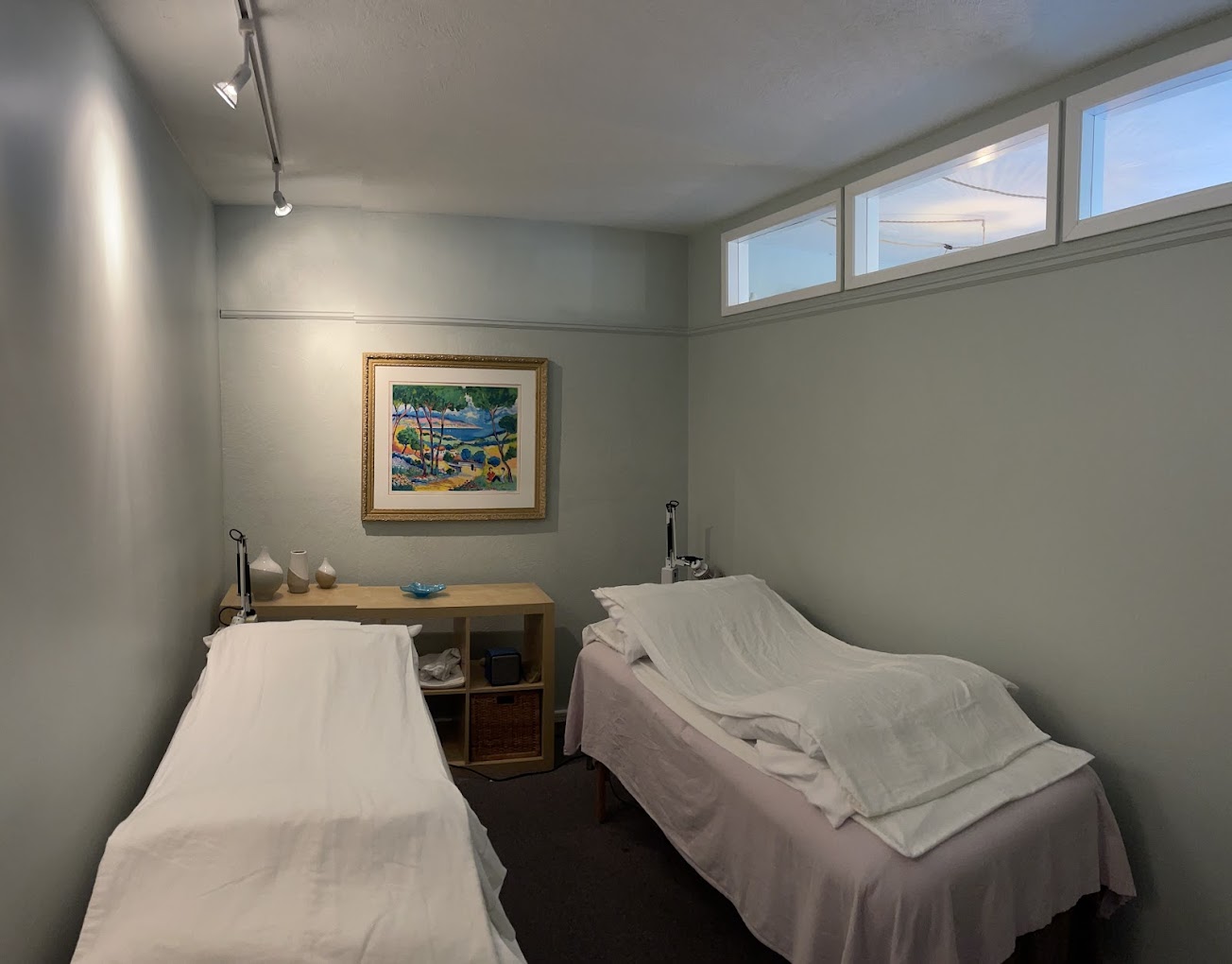
If you've never heard the word before, you're in good company. Moxibustion, or moxa for short, is one of the oldest therapies in East Asian medicine, and also one of the least talked about. The name sounds clinical and a little strange. What it actually involves is far simpler, and far gentler, than it sounds: warmth, applied with care, exactly where the body needs it.
What moxibustion actually is
Moxa is made from mugwort, a soft, common herb that's been dried and fluffed into something like wool. In a treatment, a small amount is warmed near the surface of the skin (often just above an acupuncture point) so that a deep, radiant heat sinks into the area. Think of the feeling of sun on your back on a cool day, but precise and intentional.
That's the whole of it. No needles are required for the warmth itself, though moxa and acupuncture are often used together, each doing something the other can't. Where a needle moves and redirects, moxa warms and nourishes, and in classical terms, that distinction matters.
A long lineageWhere it comes from
Moxibustion is genuinely ancient: the Chinese characters for acupuncture, zhēn jiǔ, literally name two practices: the needle and the moxa. For most of its history the two were never separated; the warmth was considered as essential as the point itself. Knowing that a therapy has been refined, observed, and passed down for two thousand years doesn't make it magic. But it does mean it has been watched very, very closely by a great many careful practitioners.
In the roomWhat it actually feels like
The first thing most people notice is the warmth: slow to build, then steady and surprisingly comforting. There's a faint, earthy, herbal scent, a little like dried sage. You stay covered and comfortable throughout; only the area being treated is exposed. As the heat settles in, the body tends to do what it does in any warm, safe place: the shoulders drop, the breath lengthens, and the mind goes quiet. Many people simply doze.
Your practitioner stays close the entire time, adjusting the distance so the heat is always pleasant and never sharp. The moment it edges past comfortable, it's moved. That constant, attentive adjustment is the skill of it.
Does it burn? No.
The warmth is held at a careful, comfortable distance from the skin, and your practitioner adjusts it continuously based on what you feel. The goal is a deep, glowing heat, never a burn. You're in control: if it's ever too warm, we move it, simple as that.
Where it helpsWhat people come in for
Moxa tends to be reached for when something feels cold, stuck, or depleted rather than hot or inflamed. In practice, that often looks like:
- Aches that feel better with heat and worse in cold, damp weather.
- Long-standing fatigue, or a sense of running on empty.
- Digestive sluggishness and a body that struggles to "warm up."
- Certain stages of recovery, where gentle support matters more than intensity.
None of these are promises. Bodies are individual, and so is care. They're simply the patterns that, again and again, respond well to warmth.
Across the practiceWhere you’ll find it
Moxa appears most often in our stress & sleep and women’s wellness care, where its slow warmth is most at home.
HonestlyIs it right for you?
"I'm a little squeamish about anything that sounds intense."
Then moxa may be the gentlest place to start. There are no needles required for the warmth itself, nothing sharp, and nothing you can't stop at any moment. Plenty of people who feel nervous about acupuncture find moxibustion an easy, reassuring first step.
"I don't really understand how it could work."
That's a fair and common place to begin, and you don't need to fully understand it to feel it. Come in with your questions. We'd much rather spend the first ten minutes explaining than have you book something you're unsure about.

"I love introducing patients to moxibustion. Many have never heard of it, and then the warmth begins and they understand immediately. It's gentle, grounding, and a lovely complement to acupuncture."
Still curious? Start with a conversation.
A first visit always begins with time to talk: bring every question you have, and we'll figure out together whether this is a fit. New patients always welcome.